
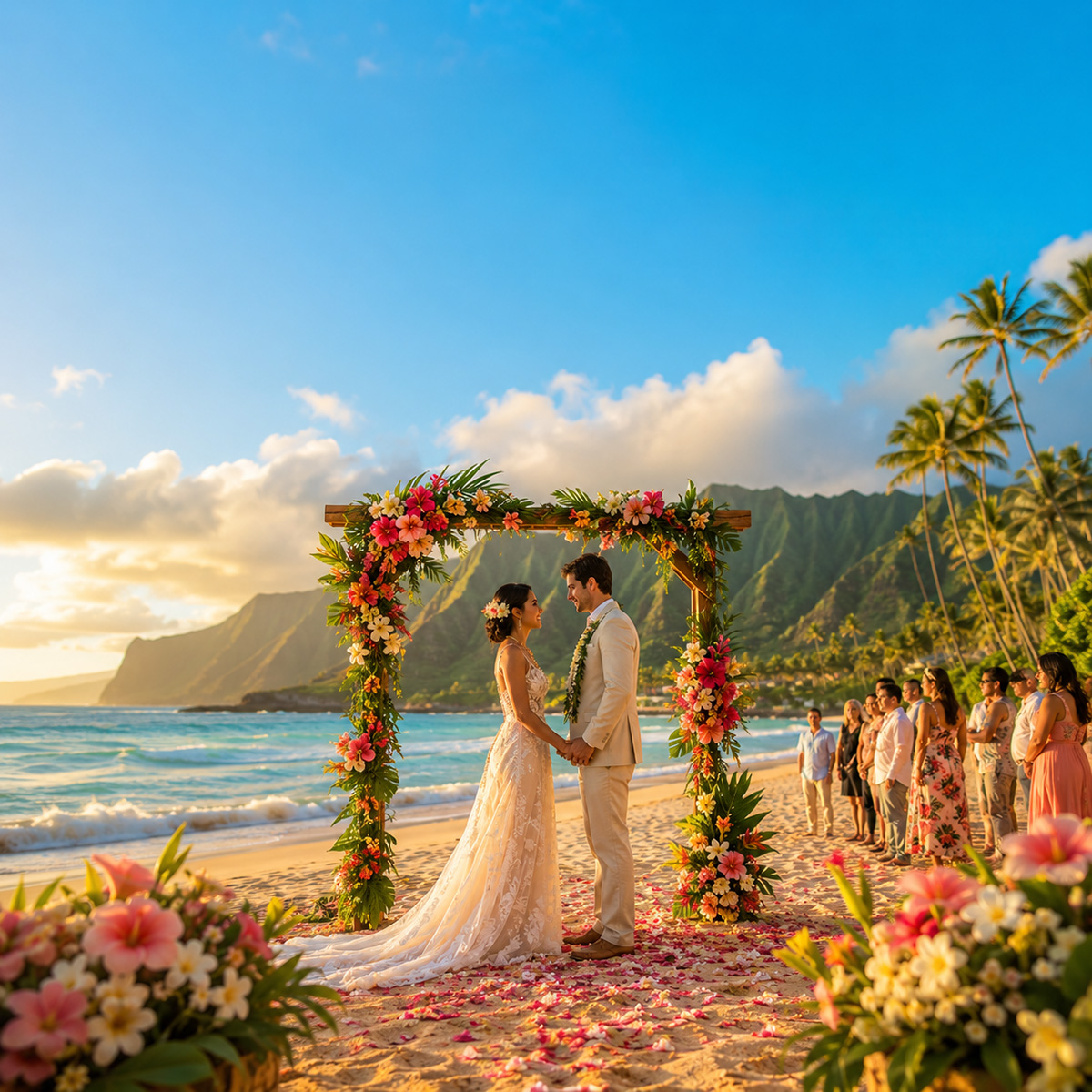
Summer Wedding Season on Maui: Your Complete Guide to June-August Celebrations
Making the Most of Peak Season: Planning, Logistics, and Experience
Summer is peak wedding season on Maui for good reason. Kids are out of school. The weather is reliably warm and sunny. It feels celebratory. Families can gather from across the country and take advantage of the time away. But summer is also the busiest season. Venues are booked. Vendors are stretched thin. Prices are at their peak. The island is crowded with tourists. And the heat – combined with outdoor celebrations – brings unique logistical challenges. If you’re planning a summer Maui wedding, you’re in good company. Hundreds of couples celebrate here every June, July, and August. And with the right strategy, you can create a summer celebration that’s absolutely perfect, even with peak-season challenges.
This guide walks you through everything you need to know about planning a summer wedding on Maui – from understanding the weather to managing the heat to ensuring your guests have an incredible experience.
Understanding Maui’s Summer: The Complete Weather Picture
Summer on Maui is warm. Very warm. But it’s not as simple as “it’s hot.” Understanding the nuances helps you plan better.
June on Maui
June marks the official start of summer and the beginning of peak season.
Temperature: Daytime highs typically range from 84-88°F (29-31°C). It’s warm, but not oppressively hot. The ocean breeze helps significantly.
Rain: June is still part of Maui’s winter wet season (though calling it “wet” is generous—it’s only slightly wetter than dry season). You might see brief afternoon showers, but they’re uncommon. Most of June is dry and sunny.
Water temperature: The ocean is warming up, ranging from 77-80°F (25-27°C). Comfortable for swimming.
Humidity: June has moderate humidity. It’s warm, but not muggy. Much less humid than mainland summers.
Tourists and crowds: June is the beginning of peak tourist season. Schools let out, families travel. The island starts getting noticeably busier.
Vendor availability: By June, many popular vendors are already booking near capacity. If you’re planning a June wedding, you should have booked your key vendors in March or April.
July on Maui
July is the heart of peak season—the busiest and hottest month.
Temperature: Daytime highs typically reach 88-90°F (31-32°C). This is hot, but remember there’s usually an ocean breeze that makes it feel more manageable than the temperature suggests.
Rain: July is mostly dry. Brief showers are rare. It’s the beginning of Maui’s true dry season.
Water temperature: The ocean continues warming, reaching 80-82°F (27-28°C). Beautiful for swimming.
Humidity: Humidity is still moderate. The trade winds blow consistently, which keeps things from feeling oppressively humid.
Tourists and crowds: Peak season at its peak. The island is full. Popular beaches have crowds. Popular restaurants have long waits. Venues are bustling with back-to-back events.
Vendor availability: If you’re planning a July wedding and haven’t already booked your vendors, you’re likely looking at limited options and potentially higher prices. This is the least ideal time to be making vendor decisions.
Special consideration: Many mainlanders take their big summer vacations in July. Your guests might face more expensive flights. Accommodations are at peak prices. This should factor into your planning.
August on Maui
August remains hot and is still peak season, though it’s beginning to wind down slightly from July’s chaos.
Temperature: Daytime highs typically range from 88-90°F (31-32°C)—similar to July, but trade winds often blow a bit stronger, making it feel slightly more manageable.
Rain: August is dry. Rarely any rain.
Water temperature: Peak warmth, ranging from 81-83°F (27-28°C). The ocean is beautiful.
Humidity: Moderate, similar to July. Trade winds help.
Tourists and crowds: Still peak season, but slightly less crowded than July. Many families have already celebrated their summer vacations. Back-to-school shopping begins later in August, causing some families to leave.
Vendor availability: Better than July, but still limited compared to shoulder seasons. Popular vendors are booked, but there might be more options than in June/July.
Back-to-school consideration: Late August brings back-to-school considerations. Some families can’t travel. School supplies and preparations begin. This can actually work in your favor if you’re planning an August wedding—slightly fewer families competing for vendor time and accommodations.
The Heat Factor: Managing and Thriving in Summer Warmth
The most significant challenge of summer Maui weddings is the heat. Not everyone is comfortable in 88-90°F weather, especially people in formal attire at an outdoor celebration.
Understanding How Heat Affects Your Celebration
Guest comfort: People in formal wear—suits, tuxedos, long dresses—are uncomfortable in peak heat. Not “I’m hot” uncomfortable, but “I’m sweating through my clothes and feeling overheated” uncomfortable.
Energy levels: Heat exhaustion is real. Guests who are overheated have less energy for dancing, socializing, and celebrating.
Photography challenges: Heat creates glare and harsh light. Midday photos are particularly challenging. Your photographer might need to be more strategic about timing.
Staff performance: Your bartenders, servers, and other vendors are also dealing with the heat. They need breaks, water, and shade.
Logistics complexity: Heat requires contingency planning—tents, fans, misters, shade structures, hydration stations.
Strategy #1: Timing Your Events
The most important strategy is avoiding peak heat hours (usually 1-4 PM).
Early Morning Ceremony (7-8 AM):
- Advantage: Cooler temperatures, beautiful light
- Disadvantage: Early for guests, requires early arrival
Late Morning Ceremony (9-10 AM):
- Advantage: Not too early, still relatively cool, good light
- Disadvantage: Slightly warmer than early morning
Late Afternoon Ceremony (4-5 PM):
- Advantage: Guests sleep in, beautiful golden light, starting to cool
- Disadvantage: Afternoon heat before ceremony
Evening Ceremony (6-7 PM):
- Advantage: Minimal heat concerns, beautiful sunset light, sunset romance
- Disadvantage: Evening light might not work at all venues
Best strategy for summer: Late morning (9-10 AM) ceremony followed by a lunchtime reception, or late afternoon (4-5 PM) ceremony followed by an evening reception with dinner service. Avoid 1-4 PM for major events.
Strategy #2: Shade and Cooling Elements
If you can’t avoid peak heat hours, manage the heat with infrastructure.
Tent Coverage: A large tent over the ceremony or reception provides shade and can reduce temperature by 10-15°F. The breeze still flows through, but the direct sun is blocked.
Misters and Fans: High-powered misters (the kind used at outdoor restaurants) can reduce perceived temperature significantly. Fans circulate air.
Water Stations: Multiple water and electrolyte drink stations throughout your celebration. Don’t just have water at the bar—have water stands at the ceremony, reception, and anywhere guests are standing for extended periods.
Parasols and Umbrellas: For a more intimate touch, parasols for guests during the ceremony or cocktail hour adds elegance while providing shade.
Light Colored Clothing: Encourage guests to wear light colors. Suggest this on your wedding website. Light colors reflect heat better than dark colors.
Ice Stations: Cold, refreshing treats. Ice cream stations. Frozen drink bars. Popsicles. These help guests cool down while feeling celebratory.
Strategy #3: Hydration and Electrolytes
Heat exhaustion comes from dehydration. Prevent it by making hydration easy and appealing.
Signature Hydration Drinks: Instead of just plain water, create signature non-alcoholic beverages:
- “Island Refresher” – pineapple juice, coconut water, lime
- “Tropical Cooler” – mango juice, electrolyte drink, fresh mint
- “Sunset Hydration” – passion fruit juice, coconut water, lime
These are hydrating but feel special and celebratory. Guests are more likely to drink them than plain water.
Strategic Placement: Don’t make guests walk far for water. Have hydration stations at multiple locations. At the ceremony area, by the bar, near the dance floor, at the cocktail area.
Continuous Service: Servers circulating with cold drinks, not just at the bar. “Can I get you a cold drink?” Feel like active service, not just “go get water yourself.”
Electrolyte Options: For longer celebrations (especially if dancing is happening in the afternoon heat), electrolyte drinks replenish what guests lose through sweat.
Strategy #4: Guest Comfort Considerations
Beyond just managing heat, think about overall guest comfort.
Seating: Provide plenty of seating. Guests in the heat appreciate the option to sit in shade. Don’t create a situation where guests are standing for hours.
Rest Areas: Quiet, cool spaces where guests can escape the heat for a few minutes. A shaded area with comfortable seating. Not the celebration—just a refuge.
Restroom Facilities: Ensure restrooms are clean and well-stocked. Heat makes this more important. Guests appreciate it.
Light Menu: Heavy food in peak heat feels sluggish. Light appetizers, fresh fruits, cold options feel more refreshing.
Shorter Celebration Duration: A 4-5 hour summer celebration might be ideal. Long enough to celebrate, short enough that guest comfort isn’t severely compromised.
Summer-Specific Cocktails: Refreshing, Beautiful, and Perfect for Heat
Summer cocktails on Maui are all about refreshment. They should taste cool, feel light, and help guests stay refreshed while celebrating.
Signature Summer Cocktail Principles
Light and Refreshing: Your summer cocktails should taste like you’re refreshing yourself, not indulging in something heavy. They should make guests think “I needed that drink.”
Fruit-Forward: Summer fruits are at their peak. Pineapple, mango, passion fruit, papaya. These should be the stars.
Cold and Crisp: Summer cocktails should taste cold even before you drink them. This comes from proper ice, proper chilling, and often a splash of soda or sparkling element.
Visually Appealing: Summer cocktails are photographed. They should be beautiful—bright colors, interesting garnishes, appealing glassware.
Not Too Strong: Summer heat makes alcohol feel stronger. Guests drinking in the heat want refreshment, not heavy spirits. Balance the alcohol with mixers and fruit.
Example Summer Cocktails
“The Maui Sunrise” — Light and Tropical
- 1.5 oz light rum
- 1 oz fresh pineapple juice
- 0.75 oz fresh lime juice
- 0.5 oz simple syrup
- Splash of prosecco
- Top with soda water
- Garnish: pineapple wedge, maraschino cherry, paper umbrella
The appeal: Bright, fruity, refreshing, not too strong, visually fun
“Island Cooler” — Mango and Coconut
- 1.5 oz coconut rum
- 1 oz fresh mango juice
- 0.75 oz fresh lime juice
- 0.5 oz coconut cream
- Splash of soda water
- Garnish: mango slice, fresh mint
The appeal: Tropical flavors, creamy but refreshing, feels cooling
“Passion Fruit Breeze” — Light and Sophisticated
- 2 oz vodka
- 1 oz passion fruit puree
- 0.75 oz fresh lime juice
- 0.25 oz simple syrup
- Top with prosecco and soda water
- Garnish: passion fruit half, mint sprig
The appeal: Sophisticated, not overly fruity, effervescent and refreshing
“Citrus Escape” — Bright and Sharp
- 1.5 oz gin
- 0.75 oz fresh grapefruit juice
- 0.75 oz fresh lime juice
- 0.5 oz simple syrup
- Splash of soda water
- Garnish: grapefruit twist, rosemary sprig
The appeal: Bright citrus, herbal notes, refreshing without being too sweet
Mocktail Options
Many guests will want non-alcoholic options in the summer heat.
“Island Refresher” — Non-Alcoholic
- 1.5 oz fresh pineapple juice
- 0.75 oz fresh lime juice
- 0.5 oz coconut water
- 0.25 oz simple syrup
- Top with soda water
- Garnish: pineapple wedge, mint
“Mango Paradise” — Non-Alcoholic
- 1 oz fresh mango juice
- 0.75 oz fresh lime juice
- 0.5 oz ginger ale
- 0.25 oz simple syrup
- Garnish: mango slice, mint
These are equally refreshing and celebratory without alcohol.
Peak Season Logistics: Managing Crowds and Limited Availability
Summer is the busiest time for Maui vendors. Everything is booked. Nothing is available without advance planning.
Booking Timeline for Summer Weddings
For June Weddings:
- Book your venue by February/March
- Book key vendors (bartender, photographer, caterer) by March/April
- Finalize details by May
For July Weddings:
- Book your venue by January/February
- Book key vendors by February/March
- Finalize details by May
For August Weddings:
- Book your venue by February/March
- Book key vendors by March/April
- Finalize details by June
General Rule: For summer Maui weddings, book 4-6 months in advance, ideally 5-6 months.
Managing Peak Season Crowds
Venue Logistics: Popular venues have multiple events the same day. This means:
- Strict timing (your ceremony ends at X, next event begins at Y)
- Limited time for setup and breakdown
- Less flexibility if you want to adjust timing
Strategy: Work closely with your venue on timing. Know exactly when you need to be set up, when you need to start, when you need to be finished. Build buffer time into your schedule.
Vendor Stress: Your vendors are busy. They’re juggling multiple events, multiple couples, multiple demands.
Strategy: Be organized and clear. Provide detailed timelines. Don’t make last-minute changes. Be understanding if vendors are slightly less flexible than they might be during slower seasons.
Guest Accommodations: Peak season means higher accommodation prices and limited availability. Your guests need to book early.
Strategy: Send your save-the-date at least 6-8 months in advance. Include accommodation suggestions and booking information immediately. Don’t wait until invitations go out.
Flight Availability: Peak season means expensive flights and less availability.
Strategy: Give guests plenty of advance notice so they can book flights early. Consider working with a travel agent who specializes in weddings—they might find better group rates.
Vendor Selection During Peak Season
During peak season, you sometimes can’t get your first choice. What do you do?
Plan B Vendors: During initial planning, identify backup options for each vendor. If your first-choice bartender is booked, who’s your second choice?
Flexibility on Details: Sometimes you might need to adjust your vision slightly to work with available vendors. Be willing to adapt while staying true to your core desires.
Negotiate: Peak season vendors are booked, but they also want your business. If you’re flexible on timing or details, they might work with you.
Book As Soon As You Know Your Date: The earlier you book, the more options you have. Don’t wait to decide between vendors.
Summer Décor and Aesthetic: Creating Your Celebration Vibe
Summer on Maui is naturally beautiful. You don’t need to do much to make it feel special. But thoughtful décor choices enhance the experience.
Summer Aesthetic Options
Tropical Summer: Embrace the tropical setting. Bright colors, bold flowers, island vibes.
Color Palette: Turquoise, coral, gold, lime green, bright pink Flowers: Bright tropical flowers—orchids, bougainvillea, bird of paradise Décor: Lush greenery, tropical fruit displays, woven elements Feel: Fun, vibrant, celebratory
Elegant Coastal: Sophisticated but still tropical. Clean lines, natural colors, elevated vibe.
Color Palette: Whites, ivories, soft blues, sandy tones, gold accents Flowers: White orchids, white roses, greenery-focused arrangements Décor: Drift wood, white linens, simple elegant touches Feel: Sophisticated, romantic, refined
Summer Romance: Soft, dreamy, romantic. Not trying too hard, but clearly thoughtful.
Color Palette: Blush, gold, white, sage green, soft peach Flowers: Garden flowers mixed with tropical elements—roses, orchids, greenery Décor: Candles, simple linens, natural elements Feel: Romantic, intimate, beautiful
Lighting Considerations
Summer light changes significantly throughout the day. Think about how your venue looks at different times.
Morning Light (7-10 AM): Soft, warm, beautiful. Great for early ceremonies. Harsh shadows are minimal.
Midday Light (11 AM-2 PM): Direct, harsh, bright. Challenging for both photography and visual appeal. Natural beauty is harder to highlight.
Afternoon Light (3-5 PM): Starting to angle, becoming softer. Golden hour begins around 4-5 PM.
Golden Hour (5-7 PM): Beautiful, warm, flattering light. Ideal for photography. Everything looks better.
Evening (7 PM+): Sunset, then darkness. Requires lighting design to be beautiful.
Strategy: Schedule events to make the most of the best light. If golden hour is 5-7 PM, plan your cocktail hour during that time. Use lighting design (lanterns, string lights, uplighting) to enhance evening ambiance.
Photography and Videography: Managing Summer Light Challenges
Summer Maui light is challenging for photography. Bright, harsh, high in the sky. It’s not the forgiving golden hour light of shoulder seasons.
Summer Photography Challenges
Harsh shadows: The direct sun creates unflattering shadows on faces. Noses cast shadows. Eyes are hard to see.
Blown-out backgrounds: The bright sky becomes white and featureless in photos.
Squinting: Guests squinting in direct sunlight = unflattering photos.
Exposure challenges: Balancing exposure between bright sun and shadows is technically challenging.
Working With Summer Light
Embrace shade: Have your ceremony or photos in shade when possible. Under trees, in a tent, in a shaded area. Shade light is flattering and even.
Use golden hour: Schedule your most important photos (couple’s portraits, wedding party) during golden hour (late afternoon). It’s the difference between good photos and great photos.
Cloud coverage: Cloudy days in summer are actually a photographer’s friend. Clouds diffuse harsh light. Don’t curse the clouds—celebrate them.
Angle away from sun: Your photographer will position you so the sun is behind you, not in your eyes. This requires clear communication and advance planning.
High noon photography: If you must take photos in midday sun, use heavy shade or Exposure compensation. It’s not ideal, but it’s manageable.
Videography Considerations
Summer light is also challenging for videography. Harsh light, blown-out backgrounds, high contrast are all issues.
Work with your videographer: Discuss timing and lighting strategy. They’ll have specific recommendations based on your venue.
Indoor ceremony lighting: If you’re having an indoor ceremony, ensure proper lighting design. The interior light should be flattering and sufficient.
Backlighting: Sometimes backlighting (sun behind the subjects) creates beautiful flare and warmth. It’s artistic and forgiving.
Real Summer Wedding Example: June Celebration
Let’s walk through what a successful summer wedding looks like.
Meet Laura and Tom
Laura is from Texas. Tom is from Michigan. They wanted a summer wedding in Maui when Tom’s entire large family could gather. They chose June 14, 2025.
Planning Timeline:
January 2025: They book their Maui venue for June 14. Early January booking for mid-June event.
January-February 2025: They reach out to Aloha Bars Maui and other key vendors. June is booked, but they secure a date and time slot.
February-April 2025: They work with Kirsty to design their signature cocktails. They decide on:
“The Texas Breeze” (representing Laura’s home)
- 1.5 oz Texas whiskey
- 1 oz fresh mango juice
- 0.5 oz lime juice
- 0.5 oz agave nectar
- Splash of soda water
- Garnish: lime wheel, fresh mint
“The Michigan Summer” (representing Tom’s home)
- 1.5 oz gin
- 1 oz fresh pineapple juice
- 0.75 oz fresh lemon juice
- 0.5 oz honey syrup
- Top with prosecco
- Garnish: pineapple wedge, lemon wheel
They also plan:
- Hydration station with “Island Refresher” mocktails
- Sunset ceremony at 5 PM (best light, beginning to cool)
- Cocktail hour 5:30-6:30 PM (golden light, guests enjoying pre-dinner drinks)
- Dinner and dancing 6:30-10 PM (darkness/evening ambiance)
- Outdoor reception with tent coverage for shade (even though it’s evening, a tent creates ambiance)
May 2025: Final confirmations with all vendors. Laura and Tom are extremely organized. Timelines are locked. Contingency plans are in place.
June 1-7, 2025: Guests arrive throughout the week. The island is crowded with tourists and wedding guests. Laura and Tom are relaxed because everything is planned and confirmed.
June 14, 2025 – Wedding Day:
3:00 PM — Guests begin arriving. Shade areas available. Water and cold beverages easily accessible. Venue is beautiful. Setup is complete.
5:00 PM — Ceremony begins in golden hour light. Sunset is 7:15 PM, so the light is warm, beautiful, and forgiving. Photographs are absolutely gorgeous.
5:30 PM — Cocktail hour begins. Guests enjoy “The Texas Breeze” and “The Michigan Summer” cocktails. The hydration station is doing great business—guests are comfortable and refreshed.
5:45 PM — Photographer captures couple’s portraits in golden light. These are the best photos of the day—the light is stunning, the couple is glowing, the background is beautiful.
6:30 PM — Reception begins. Dinner service starts. The sun has set. The venue is lit with string lights and lanterns, creating a magical, intimate ambiance. Guests are well-fed, well-hydrated, and ready to celebrate.
7:00-10:00 PM — Dancing, celebrating, toasts, memories. The heat is no longer an issue. Guests are comfortable. The celebration feels magical.
Why This Summer Wedding Worked:
- They booked far in advance (5 months)
- They had clear timing strategy (ceremony during golden hour, reception during comfortable evening)
- They managed heat with hydration and shade planning
- They invested in signature cocktails that felt fresh and summery
- Photography was timed for the best light
- The entire celebration flowed beautifully
Making Your Summer Celebration Perfect
Here’s what you need to do:
1. Book Early — January-March for June-August weddings
2. Plan Your Timing — Ceremony early morning, late morning, or late afternoon. Avoid 1-4 PM heat.
3. Manage Heat — Shade, fans, misters, hydration, cooling treats
4. Prepare for Crowds — Book vendors early, be organized, understand peak season logistics
5. Use Summer Ingredients — Work with your bartender on refreshing summer cocktails
6. Time Photography — Golden hour is your friend. Schedule important photos then.
7. Create Ambiance — Lighting design, thoughtful décor, clear vision for your aesthetic
8. Communicate Expectations — Let guests know what to expect. Suggest light colors. Give accommodation advice early.
Ready to Plan Your Summer Maui Celebration?
Summer on Maui is peak season for good reason. Warm weather, school vacations, celebratory energy. With the right planning and strategies, a summer wedding is absolutely perfect.
At Aloha Bars Maui, we’ve coordinated dozens of June, July, and August weddings. We understand peak season logistics. We specialize in refreshing summer cocktails. We know how to manage heat and create incredible experiences even in challenging conditions.
Your summer Maui wedding is waiting. Let’s plan it together.
Book Your Summer Celebration Now
Contact Kirsty for your free consultation
Phone: 1-808-990-5725 Website: alohabarsmaui.com Email: Available through website contact form
Peak season. Peak beauty. Peak celebration. That’s summer on Maui.
